Picture a weekday morning in Westwood. You grab a coffee, the school drop-off lines move with practiced rhythm, and neighbors wave as commuters head toward the highway or train. By late afternoon, parks fill with youth practices, dog walkers loop the trails, and errands are quick across a handful of convenient shopping hubs. If you are sizing up a move, you want to know how life flows here day to day. This guide gives you a clear, practical look at commutes, parks, shopping, services, and homes so you can picture your routine with confidence. Let’s dive in.
Westwood at a glance
Westwood is a well-established suburb in the Metro Boston area. You see tree-lined streets, mature neighborhoods, and an everyday pace that syncs with school calendars and standard office schedules. Many residents work in Boston or nearby employment centers, and the town’s layout makes daily errands straightforward.
The housing stock skews single-family, with a blend of mid-century homes and newer construction. You also find pockets of condominiums and townhomes that appeal to downsizers and first-time buyers. The feel is residential, with two village centers for everyday needs and a larger retail district on the town’s eastern side.
Getting around Westwood
Most residents mix car travel with regional rail when needed. You have quick access to Interstate 95 and Route 128, plus Route 1 and Route 109 for cross-town trips. That network makes it simple to reach Boston, Dedham, Needham, Norwood, and the broader MetroWest area.
For rail, Westwood is served by commuter lines that connect into Boston’s South Station. Typical trips to the city range from about 20 to 45 minutes depending on route, time of day, and whether you drive or ride. Off-peak can be faster. During peak hours, plan a buffer for on-ramps and common merge points.
Parking is generally manageable outside the most crowded peak windows. Neighborhood sidewalks, local trails, and conservation areas support short walks and jogs. If you cycle, you will use a mix of neighborhood streets and multi-use paths. For current train schedules, service advisories, and parking details, check official transit sources before you go.
Parks, recreation, and the outdoors
You will find plenty of options to get outside, whether you favor playgrounds, quiet walks, or organized sports.
Neighborhood parks and fields
Several small parks and playgrounds are tucked into residential areas, so quick after-dinner swings or weekend playdates are easy. Town fields host youth leagues in spring and fall, and you will see regular pickup games and practices during daylight hours. Athletic facilities are scheduled through the town’s recreation and school departments.
Conservation land and trails
Westwood and its surrounding towns offer miles of wooded trails. Weekend mornings often start with a trail walk, a stroller-friendly loop, or a jog before errands. Trail systems vary in length and difficulty, so you can choose a quick half hour or a longer loop. Pay attention to posted rules for dogs and seasonal notices.
Recreation programs
The local recreation department runs year-round programming for kids, teens, and adults. Expect youth sports, arts and enrichment, seasonal camps, and adult fitness. Registration calendars fill quickly for high-demand programs, so set reminders for sign-up dates.
Shopping, dining, and errands
Daily errands are simple. You have three main patterns: quick village-center stops, larger-format shopping near the highway corridor, and specialty trips to nearby towns.
Village centers
Westwood Center and the Islington area offer coffee, casual bites, services, and small shops. Sidewalks make short loops easy if you want to pair a coffee run with a bank visit or a hair appointment. Parking tends to be convenient outside the busiest after-school and weekend windows.
Highway-corridor retail
The eastern side of town, near the Route 128 interchange, includes a regional shopping district with larger-format stores and dining. Many residents handle weekly groceries, pharmacy refills, and fitness in this area. If you prefer one-stop errands, this is likely where you go.
Dining and coffee
Dining skews casual and family friendly. You will find reliable weeknight spots, pizza and takeout standards, breakfast and bakery options, and a few places that work for date night. You can branch out to nearby towns for a broader restaurant scene or later-evening options. Delivery and takeout are common and vary by neighborhood.
Services and community amenities
Community services are woven into daily life. The town library system hosts children’s story time, teen study spaces, and adult programs. A senior center provides social, wellness, and support services. Houses of worship and service clubs anchor volunteer efforts and community events throughout the year. Seasonal staples include summer concerts, sports opening days, and holiday activities.
For new residents, the town website is your hub for trash and recycling schedules, snow updates, and department contacts. Keep an eye on town calendars for meeting notices, recreation sign-ups, and special events.
Housing snapshot: what you will find
Westwood’s homes reflect several waves of suburban growth. You will see:
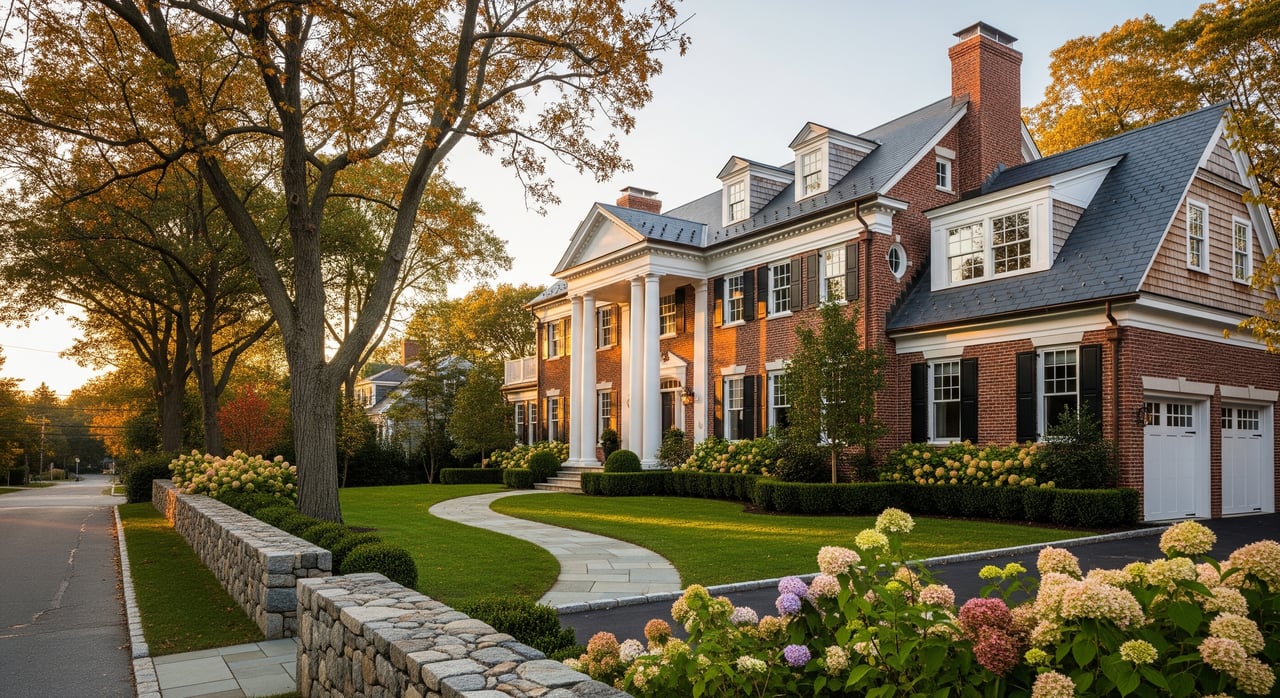
- Classic New England Colonials with symmetrical facades and center-hall layouts.
- Capes and ranches that often feature additions or dormers.
- Split-levels and mid-century homes with flexible lower levels.
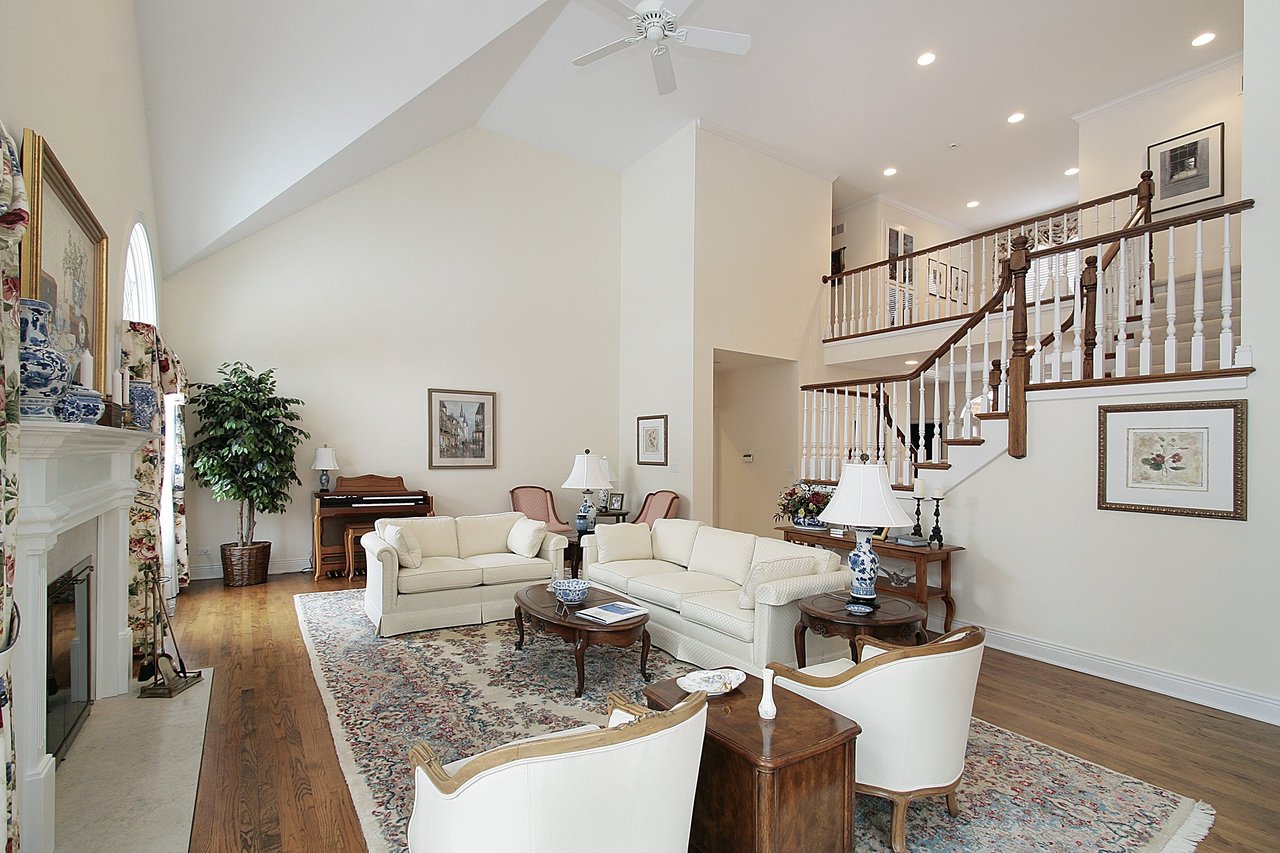
- Newer construction and renovated properties with open-plan main floors and updated systems.
Lots tend to be suburban in scale, with space for gardening, play sets, and outdoor dining. Some neighborhoods offer larger parcels and a more wooded feel. Inside, you can expect a range of conditions, from well-kept originals to full renovations with modern kitchens, primary suites, and finished basements. The market has been competitive in recent years, especially in the spring, with limited inventory common for many Boston-area suburbs. If you are weighing trade-offs between space, location, and budget, start early so you have time to compare.
Schools and learning
Westwood Public Schools serve grades K through 12 across elementary schools, a middle school, and a high school. Families often mention academics, arts, and athletics as part of their decision set, but you should always review official district information, state report cards, and school profiles to assess fit. Enrollment timelines and required documents are available on district pages. Private or parochial options exist in the broader region if you are considering alternatives.
For younger children, you will find a mix of preschools and childcare providers in and around town. After-school programs and seasonal camps are popular, so plan ahead for registration, transportation, and waitlists.
Healthcare and safety
Primary care practices and urgent care centers are located in and around Westwood, and most residents rely on nearby regional hospitals for emergency and specialty care. Drive times vary by time of day and route, so map your preferred destinations from your neighborhood at both peak and off-peak hours.
Fire, police, and emergency medical services are based in town. For non-emergency updates, check official department pages and town alerts. Snow and storm communications are active in winter, with reminders about parking, plow routes, and downed lines.
Utilities, taxes, and everyday logistics
- Property taxes are billed by the town on a set cycle each year. Payment options typically include online, mail, or in-person.
- Water and sewer coverage varies by address. Some homes have public water and sewer, while others may have private septic. Confirm details during your home inspection period and through town records.
- Electric, natural gas, and internet are provided by regional utilities. Service areas and speed tiers vary by street, so check availability early in your move.
- Trash and recycling are set by town policy. Review the pickup schedule, bulk-item rules, and hazardous-waste days, then add them to your calendar.
A first-week checklist for new residents
- Set up utilities and confirm service start dates for electric, gas, water or sewer, and internet.
- Register your vehicles and update your driver’s license address.
- Enroll children in school and after-care, and note bus routes and pick-up windows.
- Grab a library card and explore the programs calendar for your family.
- Review trash and recycling rules, including yard-waste pickup and holiday schedules.
- Map your commute both ways at peak and off-peak times to test options.
- Identify your go-to urgent care and preferred hospital, then save contacts in your phone.
- Introduce yourself on your street and in neighborhood groups to learn local contractor and sitter recommendations.
What residents like, and what to weigh
You will likely appreciate the blend of suburban calm with practical access to jobs, services, and recreation. The trail networks, youth programs, and village centers make it easy to build a routine. Potential trade-offs include peak-hour traffic near major interchanges, a competitive housing market with limited inventory in certain price bands, and New England winters that require snow-readiness. If you plan for those realities, day-to-day life tends to be smooth.
Ready to explore homes and neighborhoods?
If Westwood sounds like a fit, you deserve a clear search plan and a measured strategy. As a senior-level advisor rooted in the community, I help you compare neighborhoods, streamline timing, and negotiate with confidence. When you want local insight, a precise pricing view, and responsive guidance from first tour to closing, reach out to Marilyn Freedman to begin. Request a Personal Market Valuation or ask for a custom first-week checklist tailored to your address.
FAQs
What is everyday life like in Westwood, MA?
- Most days follow a suburban rhythm with school-centered mornings, commutes by car or commuter rail, quick errands at village centers or highway-corridor shops, and park time after work.
How long is the commute from Westwood to Boston?
- Plan roughly 20 to 45 minutes depending on route, time of day, and whether you drive or use commuter rail, and always check current schedules and traffic before leaving.
Does Westwood have walkable areas for errands and coffee?
- Yes, Westwood Center and the Islington area offer sidewalks, parking, and a cluster of shops, services, and casual dining for short, walkable errands.
What housing styles are common in Westwood, MA?
- You will see Colonials, Capes, ranches, split-levels, and a mix of renovated and newer homes, with most properties on suburban lots that support outdoor living.
How are Westwood Public Schools organized?
- The district serves grades K through 12 across multiple elementary schools, a middle school, and a high school, with details on enrollment, calendars, and programs available on official district pages.
Where do residents shop for groceries and essentials?
- Many residents use village-center shops for quick stops and the larger retail district near the Route 128 corridor for weekly groceries, pharmacy refills, fitness, and dining.
What should I set up first when I move to Westwood?
- Start with utilities, school enrollment, trash and recycling schedules, internet service, and mapping your commute at peak and off-peak times, then get a library card and explore recreation programs.